As news of the recent gene therapy for the OTOF (otoferlin) gene swept the world, initial responses were those of joy and hope—especially from parents who saw this as a step towards a flourishing life for their children who are Deaf or Hard of Hearing. As a deaf bioethicist, my own response was tempered with caution and questions: What did such results mean for the future of these children? How could we move forward in a way that allowed individuals to share their concerns, dreams, and different perspectives? What does genuine care and compassion look like in those spaces? What values are embodied in such discourse? How will these values be communicated and experienced by those most impacted: the children themselves.
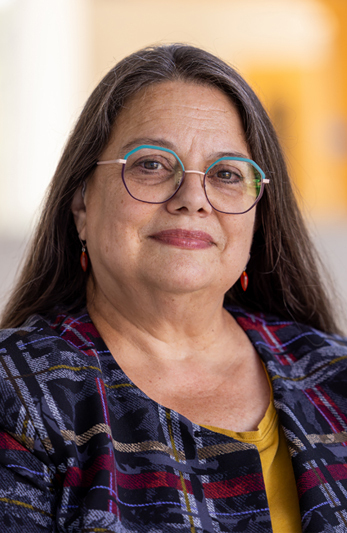
Philosopher bioethicists evaluate and assess arguments about how to do the right thing. In that context, Dr. Burke will provide a framework for having these difficult conversations that models respectful discourse using the tools of analytic philosophy that consider a wide range of perspectives including parents, deaf and hard of hearing children, deaf and hard of hearing adults (including Burke herself), providers, and educators.