For many families, technological innovation opens doors; for others, it raises difficult questions. In particular, the growing role of genetic screening raises critical ethical considerations. As we gain the ability to detect more conditions earlier, we must ask: How do we ensure informed consent and protect families from undue pressure or stigma? How do we communicate uncertain or life-altering results with honesty, sensitivity, and hope? And as the potential for interventions — such as gene therapies — expands, who decides what should be done, and do we have the child or family at the heart of the decision making process? In doing so, can we ensure deaf and hard of hearing children have the best opportunities to live fulfilled, meaningful lives?
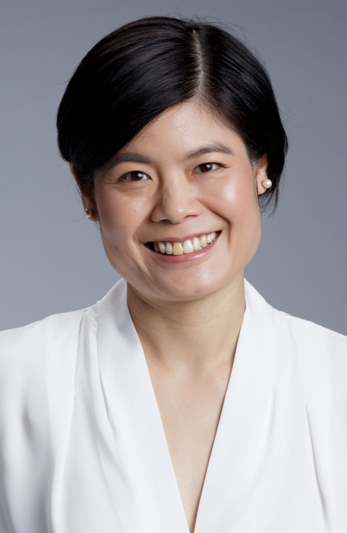
Dr. Sung will highlight the essential interplay between innovation and compassion in this process. This keynote explores the authentic inclusion of families with lived experience and the voices of deaf and hard of hearing children in shaping holistic care through developing a national Core Outcomes Set and data system in Australia. It challenges us to look beyond the traditional health system and build frameworks that are ethically grounded, emotionally supportive, and ready for a future where technology and care advance together.